
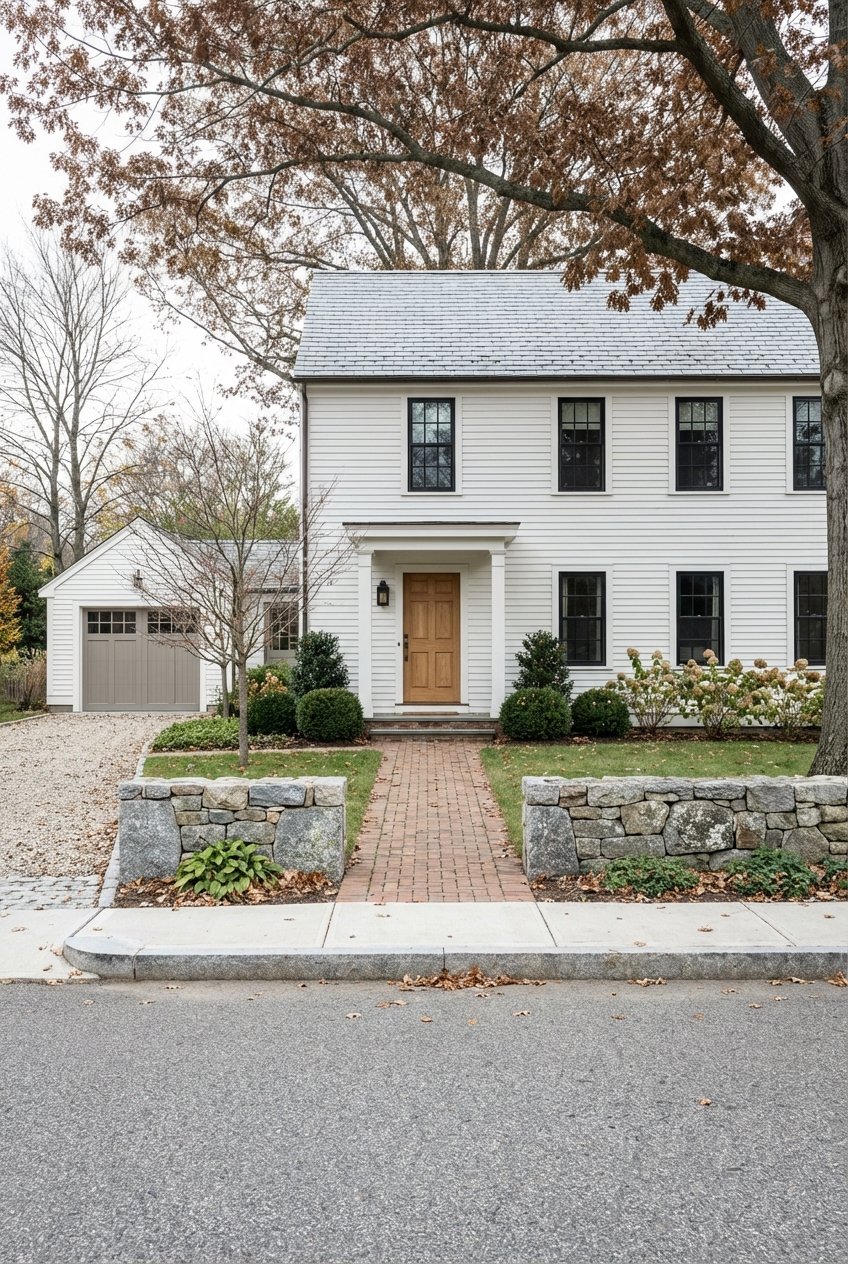
Torn between Ridgewood and Ho-Ho-Kus for your next move? You are not alone. Both offer small-town charm, strong community services, and convenient NYC access, yet the day-to-day experience can feel very different. In this guide, you will learn how each town stacks up on housing, taxes, schools, commuting, and downtown life so you can choose with confidence. Let’s dive in.
Quick take: what sets each apart
Ridgewood gives you a larger, lively downtown and a wide mix of homes, including condos and townhouses near the train. It offers more overall inventory and frequent rail options that many commuters appreciate.
Ho-Ho-Kus is smaller and quieter with a village feel and mostly single-family homes. Inventory is limited by size, which can push prices higher for comparable properties.
If you value program breadth in a single K–12 district and a vibrant center of town, Ridgewood is often the better fit. If a compact, relaxed setting with a small K–8 school appeals to you, Ho-Ho-Kus deserves a close look.
Home prices and housing styles
Ridgewood’s housing stock skews older and character-rich, with many Colonial, Victorian, and Tudor homes, plus pockets of newer infill and condo or townhouse options near downtown. Demand is driven by schools, walkability, and rail access, and the market sits solidly in the seven-figure band, with neighborhoods above and below that level depending on size, condition, and location. Expect more options in Ridgewood simply due to its larger size and broader mix of property types.
Ho-Ho-Kus is a compact borough, and most homes are single-family on modest-to-generous lots. Its smaller market means fewer listings at any given time, so pricing can swing month to month when high-end sales close. Recent market snapshots place typical values in the seven-figure range as well, reflecting the borough’s limited inventory and strong demand.
If you need choices across condos, townhouses, and single-family homes, Ridgewood offers a deeper pool. If you prefer a primarily single-family environment and accept that scarcity often commands a premium, Ho-Ho-Kus can be a strong match.
Property taxes and cost of ownership
Bergen County property taxes are high in dollar terms compared with national norms. In 2024, local reporting shows the average residential property tax bill around the mid-to-high teens to low twenty-thousands in both towns, with Ridgewood near about 20,000 dollars and Ho-Ho-Kus near about 18,900 dollars. These are useful planning numbers, and you should verify the current bill on any property you consider. See a county summary of averages in this overview of Bergen County property tax bills.
Effective tax rates vary depending on the home value you use for the calculation. Back-of-the-envelope math shows Ridgewood’s effective rate generally falls in the 1.7 to 2.3 percent range depending on which value benchmark you apply, while Ho-Ho-Kus often lands around the mid 1.5 to 1.8 percent band using similar assumptions. These are estimates that illustrate order of magnitude rather than formal assessed rates. For a town-by-town look at average bills and context on exemptions, review this roundup of Bergen County tax data.
Bottom line: build a realistic annual ownership budget that accounts for the property’s specific tax bill, homeowner’s insurance, and maintenance. In both towns, property taxes will be a major line item.
Schools overview and structure
Ridgewood Public Schools is a unified K–12 district. Ridgewood High School enrolls about 1,740 students, which supports a broad range of academic courses, athletics, and extracurriculars. You can confirm enrollment in the NCES profile for Ridgewood High School.
Ho-Ho-Kus operates a single K–8 public school, then sends students to Northern Highlands Regional High School in Allendale for grades 9–12. Learn more about the K–8 district structure in this Ho-Ho-Kus School District overview and see the high school’s partner communities on Northern Highlands’ site.
If you prefer a one-district path with extensive in-house programs and activities, Ridgewood is appealing. If a smaller K–8 environment connected to a regional high school works for your family, Ho-Ho-Kus offers that model.
Commute and transit options
Both towns sit on NJ Transit rail lines that connect to Hoboken and, by transfer, to Manhattan. Ridgewood functions as a larger station hub with more frequent service and multiple connecting options. Door-to-door times vary based on your destination and departure window, but average commute times provide a useful benchmark. Ridgewood’s mean travel time to work is about 35 to 36 minutes, according to U.S. Census QuickFacts. Ho-Ho-Kus residents record comparable mean commute times in the mid-30-minute range, per DataUSA’s local profile.
Always test your own route at your preferred hour. If you want the most flexibility in schedule and connections, Ridgewood often has the edge. If you value a smaller station environment with a quieter feel, Ho-Ho-Kus can be a pleasant choice.
Downtown lifestyle and daily rhythm
Ridgewood offers an established, walkable downtown along East Ridgewood Avenue with a wide range of restaurants, shops, and community events. Municipal notes highlight an active year-round calendar, which supports foot traffic throughout the week. Explore references to the village center and events in Ridgewood’s public workshop notes.
Ho-Ho-Kus has a smaller, village-scale downtown with historic anchors like the Ho-Ho-Kus Inn and The Hermitage nearby and a compact set of shops and restaurants. Many residents appreciate the calmer evening rhythm and intimate scale. You will find fewer retail options than Ridgewood, which is part of the appeal for buyers seeking quiet daily living. See the borough’s profile in DataUSA’s overview.
Which town fits you best? Use these cues
Choose Ridgewood if you:
- Want a larger, walkable downtown with a broad mix of restaurants and shops, plus regular community events.
- Need broader housing inventory, including condos, townhouses, and larger single-family homes, and value quicker resale liquidity.
- Prefer a single K–12 district with a wide range of electives, sports, and arts.
- Want maximum flexibility in commuter options with more frequent train and bus connections.
Choose Ho-Ho-Kus if you:
- Prefer a smaller, village-scale community with a quiet downtown and strong local identity.
- Value a small K–8 setting and are comfortable with a send/receive high school arrangement.
- Seek a primarily single-family market and understand that a compact inventory can command premium pricing.
A simple decision checklist
Use these steps to validate fit and budget, then stress test with your agent before you write an offer:
- Price and property type
- Define your must-haves, then match them to where inventory actually exists. If you need condos or townhomes near the train, start with Ridgewood. For primarily single-family options, include both towns. For context on local household and housing characteristics, review Ridgewood’s QuickFacts and the Ho-Ho-Kus DataUSA profile.
- Annual property taxes
- Model a realistic bill based on the specific property. As a reference point, average 2024 bills were around 20,000 dollars in Ridgewood and around 18,900 dollars in Ho-Ho-Kus, per this Bergen County tax overview and this town-by-town roundup.
- Commute modeling
- Test your actual route and time window. The mean commute sits in the mid-30-minute range for both towns, but your experience will vary based on terminal and transfers. For benchmarks, see Ridgewood’s Census QuickFacts and Ho-Ho-Kus’s commute profile.
- School pathway
- Decide whether you prefer a single K–12 district or a K–8 district that sends to a regional high school. Confirm details in the NCES profile for Ridgewood High School, the Ho-Ho-Kus School District overview, and Northern Highlands’ community page.
Final thoughts
Ridgewood and Ho-Ho-Kus are both excellent Northern Bergen County choices, yet they deliver different daily experiences. Ridgewood is larger, livelier, and offers more housing variety and transit frequency. Ho-Ho-Kus is smaller, quieter, and primarily single-family, with a K–8 structure that many families appreciate. Your decision comes down to which rhythm, school path, and housing mix best align with your life.
If you want a private, data-grounded conversation about how these towns fit your goals, reach out to Sheryl Epstein-Romano for a personalized strategy.
FAQs
How do home prices compare in Ridgewood vs Ho-Ho-Kus?
- Both towns sit in the seven-figure range, with Ridgewood offering broader inventory and Ho-Ho-Kus reflecting its smaller, primarily single-family market and limited supply that can push prices higher at times.
How do property taxes differ between the two towns?
- Local 2024 averages show Ridgewood around 20,000 dollars and Ho-Ho-Kus around 18,900 dollars, with effective rates typically in the mid to high 1 percent range depending on home value; verify the current bill for any property you consider and review county summaries for context.
How are the public schools structured in Ridgewood and Ho-Ho-Kus?
- Ridgewood is a unified K–12 district with a large high school, while Ho-Ho-Kus runs K–8 and sends students to Northern Highlands for grades 9–12; see the NCES profile for Ridgewood High School and Northern Highlands’ communities page for details.
Which town is better for an NYC commute?
- Both offer NJ Transit rail access, with Ridgewood functioning as a larger hub that often provides more frequent and flexible options; mean travel times are in the mid-30-minute range for both per Census QuickFacts and DataUSA, though your door-to-door time will depend on route and schedule.
What downtown lifestyle differences should I expect?
- Ridgewood features a busy, walkable center with many restaurants, shops, and community events, while Ho-Ho-Kus offers a compact, quieter village feel with select dining and retail options; you can see Ridgewood’s civic notes on events in village workshop minutes.