
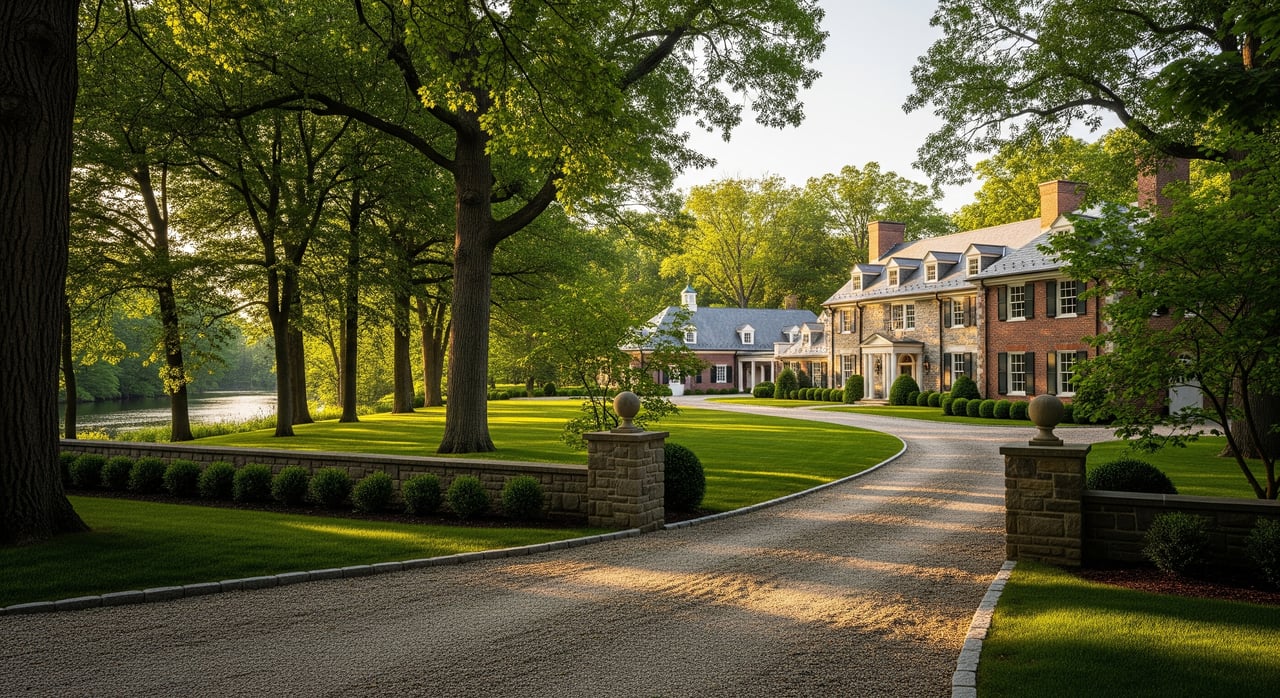
Thinking about buying or improving a home in Saddle River but unsure what two-acre zoning really means for your plans? You are not alone. Large-lot zoning shapes privacy, what you can build, and whether a property can be subdivided, and the rules can feel complex at first glance. In this guide, you will learn how two-acre zoning works in Saddle River, the controls that limit or enable development, what to consider before subdividing, and a simple due diligence checklist to protect your investment. Let’s dive in.
What two-acre zoning means in Saddle River
“Two-acre zoning” refers to a residential zoning district where the minimum lot area for a single-family home is two acres or similar. The goal is to maintain very low density, a spacious feel, and a high degree of privacy. In practice, it sets the floor for lot size and works together with setbacks, coverage limits, and other standards to define a buildable envelope on each parcel.
It is important to treat two acres as the starting point, not the full story. Environmental features, septic requirements, and private easements can further narrow where and how much you can build. That is why verifying the rules for a specific property is essential.
How to confirm your property’s zoning
To confirm the rules for a specific address in Saddle River, take these steps:
- Verify the zoning district using the Borough’s official Zoning Map and Zoning Ordinance.
- Pull the tax map identification (block and lot) and obtain an up-to-date property survey.
- Review the ordinance schedule for the district’s minimum lot area, setbacks, height, and coverage standards.
- Contact the Borough Land Use Office or the Planning/Zoning Board for parcel-specific interpretation.
If you are considering a purchase or major project, you should also review Bergen County property records, and check NJDEP and FEMA resources for wetlands or flood hazard overlays that can affect buildable area.
The controls that shape what you can build
Two-acre zoning sets the lot size baseline. The following standards determine how that land can actually be used.
Setbacks and the building envelope
Setback rules define the required distance between structures and the front, side, and rear property lines. On a large lot, setbacks still matter. They create the actual building envelope and influence how far your home and any additions can sit from neighbors and the road. Some ordinances also require buffers, screening, or special setbacks near slopes or conservation areas. Always review both principal and accessory structure setbacks.
Lot coverage and impervious surfaces
Most ordinances limit how much of a lot can be covered by buildings, driveways, patios, pools, and other hardscape. Two key concepts appear frequently:
- Building or lot coverage: caps the portion of the lot covered by structures.
- Impervious surface: caps all surfaces that increase runoff, including paving and certain patios.
These standards determine the maximum footprint of your home, pool, courts, and motor court. On a two-acre parcel, coverage rules can be the deciding factor in the size and scope of outdoor amenities.
FAR, height, and stories
Some municipalities control bulk through floor area ratio (FAR) or by capping gross floor area, height, and the number of stories. Even on large parcels, these limits can constrain overall massing and usable square footage. Confirm definitions for stories and attic space because they affect how finished areas are counted.
Accessory structures and uses
Garages, pool houses, barns, guest cottages, sheds, tennis courts, and similar features usually have their own rules for maximum size, coverage contribution, and setbacks. Verify whether accessory dwelling units are permitted, and note that pools and hardscape often count toward impervious coverage.
Septic systems, wells, and utilities
If a property uses on-site septic or a private well, County and local health rules impose minimum reserve areas, distances from structures and water bodies, and soil requirements. These can create practical constraints within an otherwise large parcel. Check with the Bergen County Health Department or local septic authority for feasibility and capacity when evaluating additions or redevelopment.
Environmental overlays and regulated areas
Wetlands, stream buffers, flood hazard areas, steep slopes, and tree conservation areas can reduce the area available for development and may trigger State or local permits. NJDEP and FEMA mapping, along with Borough conservation standards, should be part of your early review.
Easements, covenants, and deed restrictions
Private easements for utilities or driveways, and recorded covenants or restrictions, can limit building locations and subdivision potential. Your title work and survey should clearly depict these encumbrances before you finalize design decisions.
Subdividing or seeking variances in Saddle River
Two-acre zoning is designed to preserve low density. Subdivision or variances that would reduce lot size or alter key standards face careful review.
Subdivision basics
Minimum lot area requirements prevent creation of undersized parcels. If you aim to create a lot smaller than the district minimum, you will generally need a variance and subdivision approval through the Planning Board. Expect engineering, surveying, soils and septic analysis, stormwater designs, and environmental reports to support the application.
Variances and the Zoning Board of Adjustment
If a structure or lot does not meet the ordinance standards for setbacks, coverage, height, or other bulk requirements, a variance may be required. Under New Jersey’s Municipal Land Use Law, applicants must demonstrate the positive and negative criteria for the relief sought. Municipalities with a large-lot policy often apply stricter review for lot area reductions, so outcomes depend on the master plan, neighborhood context, and evidence presented.
Typical review steps and timeline
Most applicants start with a pre-application discussion with the Borough Land Use Office and municipal professionals. Submissions usually include a full plan set by a licensed surveyor or engineer, topographic information, septic feasibility, wetland delineations if present, tree surveys, and stormwater designs. Public hearings, agency notifications, and Board calendars can extend the process from a few months to a year or more, depending on complexity and appeals. Additional permits may include soil erosion and sediment control, driveway or curb-cut approvals on County or State roads, NJDEP authorizations, and County health approvals for septic.
What two-acre zoning means for privacy, potential, and value
Privacy and neighborhood character
Two-acre zoning supports generous separation between homes, substantial tree cover, and a suburban-to-rural feel. That said, privacy varies by lot. Topography, the location of the building envelope, landscaping, and environmental constraints can cluster structures closer together on some parcels. Review the site plan and sightlines, not only the acreage.
Redevelopment potential
Larger parcels often give you room to remodel, add wings, and incorporate amenities like a pool, sport court, or expanded garage while maintaining neighborhood character. You may also have flexibility to orient the home for views and privacy. Constraints still apply. Coverage limits, septic reserve requirements, and environmental overlays can materially limit new footprint or hardscape. If a lot meets the two-acre minimum but has wetlands or steep slopes, the effective developable area may be far less than the gross acreage.
Home values and market effects
Low-density, large-lot zoning reduces supply and tends to support higher per-acre and per-home values for comparably finished properties. Many luxury buyers value the stability and predictability that come with long-standing large-lot rules. At the same time, inability to subdivide limits opportunities to monetize land through additional lots. Carrying costs also matter. Large parcels typically have higher tax bills and maintenance costs, which should be weighed against the privacy and lifestyle benefits.
Taxes and carrying costs
Before you buy or expand, model long-term property taxes, insurance, landscaping, snow removal, and ongoing maintenance of larger drives or hardscape. A clear view of total cost of ownership helps you right-size your project and budget.
Due diligence checklist before you buy or renovate
Use this list as a starting point. Confirm details with the Borough and qualified professionals:
- Confirm the zoning district and numeric standards. Review minimum lot area, front/side/rear setbacks, lot and impervious coverage, maximum height, accessory structure rules, and any FAR or habitable area caps.
- Get current identification and mapping. Obtain the tax block and lot, an ALTA/NSPS or municipal-compliant survey with topography, improvements, and easements, and the latest zoning map and ordinance text.
- Screen environmental and site constraints. Check wetlands, flood hazard areas, stream buffers, steep slopes, and tree conservation requirements. Consider NJDEP and FEMA mapping.
- Verify septic and water. Review Bergen County Health Department records for existing septic capacity and reserve areas. If redevelopment is planned, schedule soil and perc tests early.
- Talk to the Borough. Schedule a pre-application conversation with the Land Use Office or municipal planner/engineer. Ask about application checklists, escrow requirements, and hearing schedules.
- Research local precedents. Read recent Planning Board and Zoning Board minutes and decisions to understand how variances and subdivisions are evaluated.
- Engage the right experts. Consider a land use attorney, licensed surveyor, civil engineer, septic/soil consultant, and landscape architect.
- Evaluate timeline and costs. Budget for plan preparation, expert reports, stormwater systems, application fees, and municipal escrows.
- Weigh market implications. Consider how zoning stability, carrying costs, and redevelopment potential affect long-term value and resale.
Smart strategies for buyers, owners, and builders
Start with the envelope. Sketch your desired home, additions, or accessory structures inside a code-compliant building envelope. This clarifies what fits before you fall in love with a concept.
Plan coverage like a budget. Treat building and impervious coverage as fixed resources. Allocate square footage across house, garages, pool, patios, and drives to avoid design reworks.
Protect privacy with siting and landscape. Use setbacks, grade, and planting to shape sightlines and acoustic buffers, not only fences.
Test septic feasibility early. Do not assume capacity for additions or guest quarters. Soil and perc results can change the plan.
Anticipate contingencies. If a variance or subdivision is essential to your vision, build realistic timelines and decision points into your schedule.
Work with an advisor who understands zoning
Large-lot zoning rewards informed planning. An experienced advisor can help you read the envelope, anticipate approvals, and position your project for success. With decades serving Saddle River and Upper Saddle River and 11 years of civic zoning board service in the area, our team understands how municipal rules and market dynamics intersect for luxury properties. If you are evaluating a purchase, preparing to sell, or planning a significant improvement, we can coordinate the right professionals and guide you from concept to closing.
Ready to talk through a specific property or plan in Saddle River? Request a confidential consultation with Sheryl Epstein-Romano.
FAQs
What does two-acre zoning mean in Saddle River, NJ?
- It refers to a residential district where the minimum lot area for a single-family home is two acres or similar, intended to maintain low density and a spacious, private character.
How can I confirm the zoning rules for my Saddle River property?
- Check the Borough’s Zoning Map and Zoning Ordinance, obtain your tax block and lot and a current survey, and consult the Land Use Office for parcel-specific interpretation.
Can I subdivide my two-acre Saddle River lot into smaller parcels?
- Possibly, but creating undersized lots generally requires variances and Planning Board subdivision approval, with engineering and environmental studies and a public hearing process.
Do pools, patios, and driveways count toward my coverage limits?
- Often yes. Ordinances typically regulate building coverage and impervious surface, which can include pools, patios, and paving. Confirm definitions in the ordinance before designing.
Will wetlands or floodplain mapping limit where I can build in Saddle River?
- Yes. Regulated areas like wetlands, stream buffers, and flood hazard zones can reduce your buildable area and may require State or local permits.
How long do variance or subdivision approvals usually take in Saddle River?
- Timelines vary. Simple matters may conclude in a few months, while complex cases with environmental issues or appeals can take a year or more, depending on Board schedules and reviews.
What professionals should I hire before pursuing a subdivision or major addition?
- A land use attorney, licensed surveyor, civil engineer, septic/soil expert, and landscape architect are common. Early consultations with the Borough can clarify expectations.